Short answer: choose sliding aluminium windows and doors for wide openings, balconies and living rooms where you want large glass areas and no sash swinging into the room. Choose hinged or tilt-and-turn windows where sealing against dust, wind, rain and noise matters most: bedrooms, bathrooms, kitchens and exposed facades. Most villas in Egypt use both.
How sliding and hinged windows work
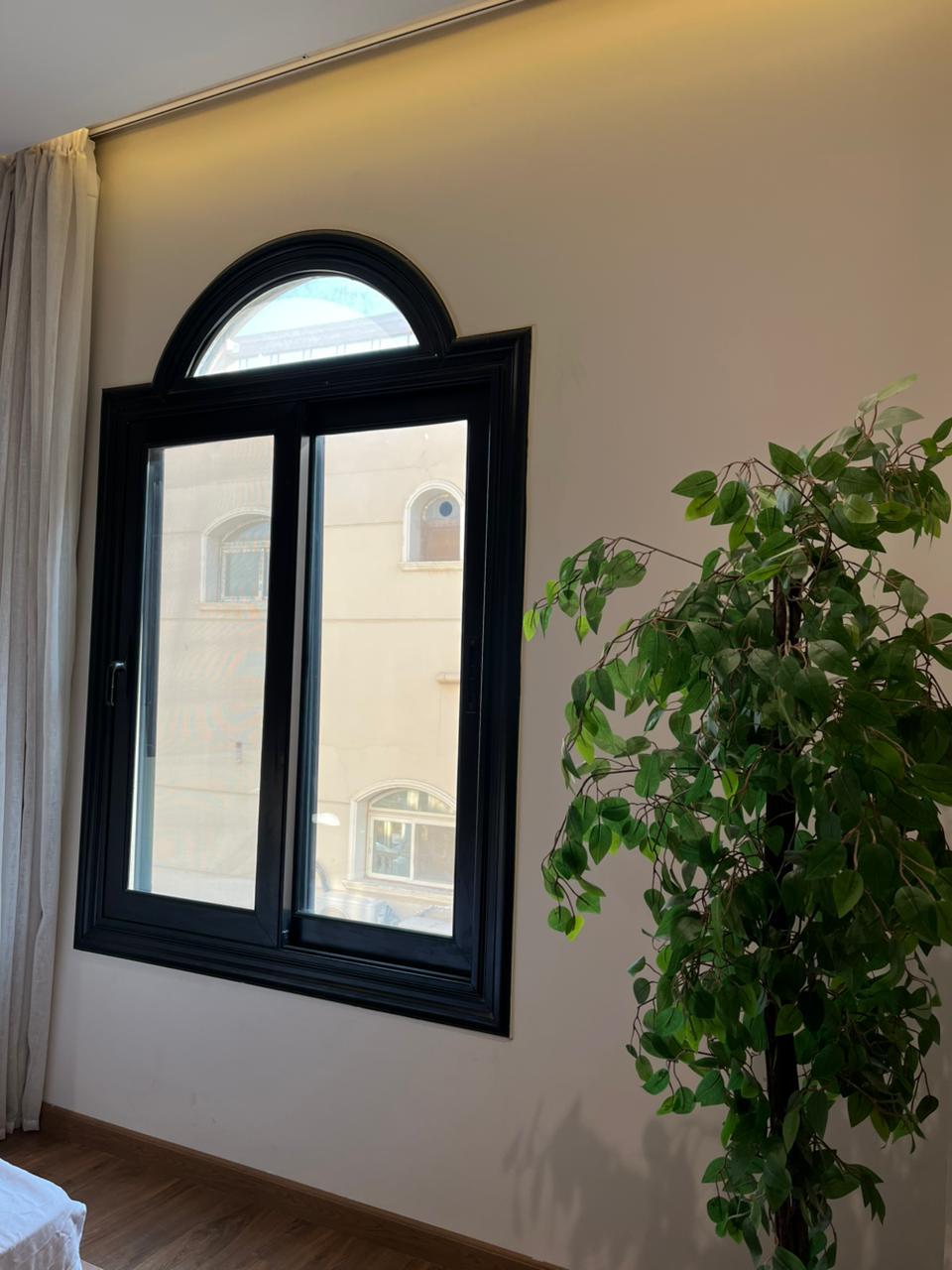
Sliding windows and doors have sashes that move horizontally on tracks, past each other. Nothing opens into the room, so furniture and curtains are never in the way.
Hinged (casement) windows open on side hinges like a door. Tilt-and-turn windows add a second position: the sash tilts inward at the top for safe ventilation, or turns fully open for cleaning. When closed, the sash presses against continuous gaskets all around the frame, which is why hinged systems seal better.
Sliding vs hinged: side-by-side comparison
| Factor | Sliding | Hinged / tilt-and-turn |
|---|---|---|
| Space needed | None; sashes slide aside | Room for the sash to swing |
| Opening size | Very wide spans; multi-track systems clear large openings | Limited by the weight of each sash |
| Air and water tightness | Good on quality systems | Best: compressed gaskets on all four sides |
| Dust and sand | Tracks collect sand and need regular cleaning | Better protection during dusty and windy days |
| Sound insulation | Good | Better, especially with laminated or double glazing |
| Security | Good with proper locks | Excellent with multi-point locking |
| Ventilation | Partly open sash | Tilt position ventilates safely, even when you are out |
| Insect screens | Easy sliding screens | Fixed or roller screens |
| Best rooms | Living rooms, balconies, terraces, wide openings | Bedrooms, bathrooms, kitchens, exposed facades |
When sliding is the right choice
- Wide openings onto balconies, gardens and terraces, where you want the view and a large clear passage.
- Rooms where space is tight, or where a swinging sash would hit furniture or curtains.
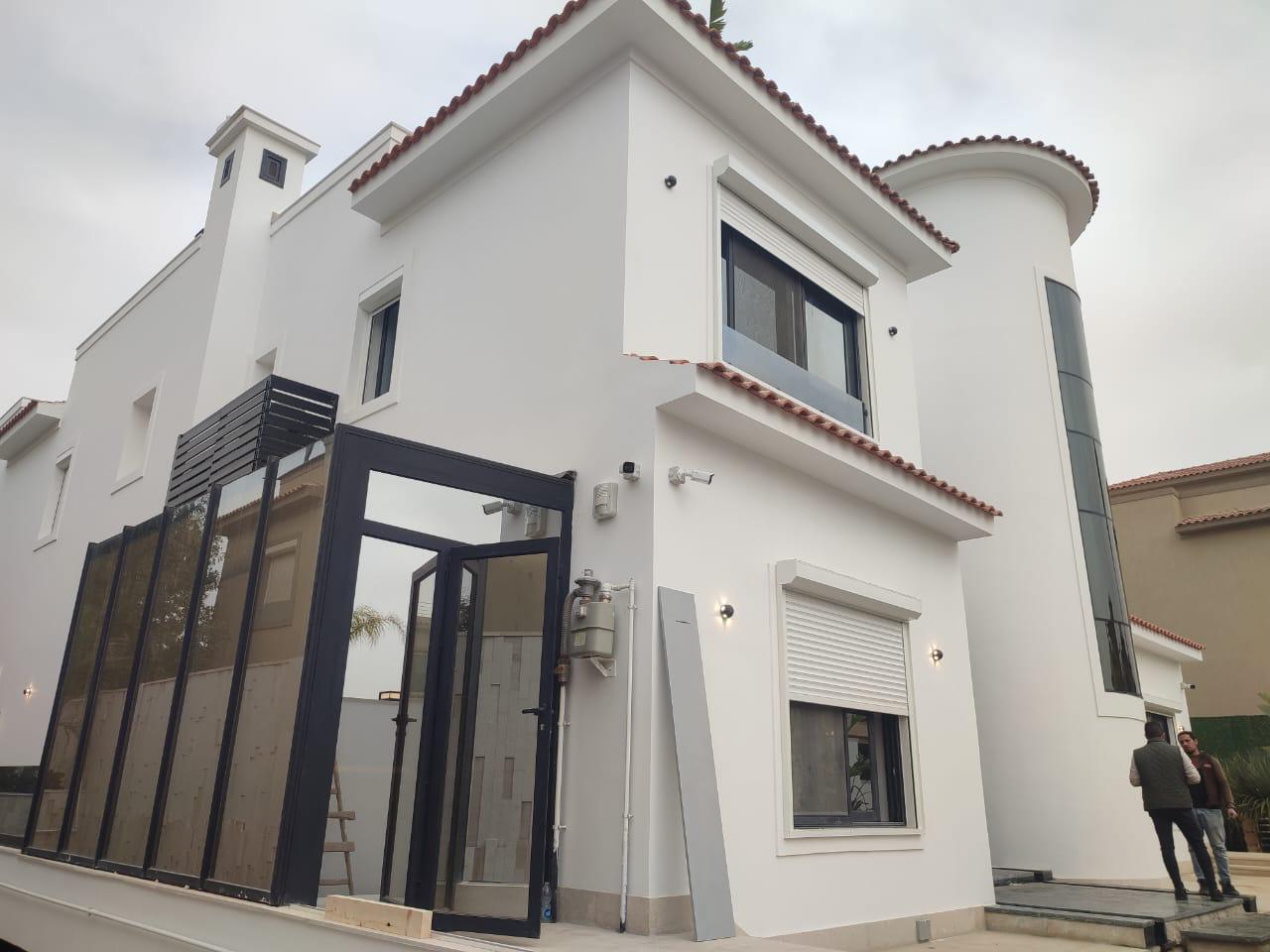
- Combined with rolling shutters: sliding systems such as Alumil M14600 can integrate a rolling shutter for privacy, security and shade.
Premium sliding systems use heavy-duty rollers, brush and gasket seals and large glass capacity, so they perform far better than basic sliding windows. If you want sliding doors for a large opening, ask about multi-track and lift-and-slide options.
When hinged or tilt-and-turn is the right choice
- Bedrooms and street-facing rooms, where quiet matters.
- Bathrooms and kitchens, where the tilt position ventilates without fully opening the window.
- High floors and coastal or desert sites exposed to wind, rain and sand.
- Upper floors, where turning the sash inward lets you clean the outside glass safely.
The Egyptian factor: dust, heat and the coast
In Egypt, windy and dusty days are part of life, summers are hot, and many homes are on the coast. That shapes the choice:
- Dust: hinged windows with continuous gaskets keep out far more sand. If you choose sliding, pick a system with good brush seals and drainage, and clean the tracks regularly.
- Heat: both types can use double glazing. Thermal-break profiles reduce heat passing through the aluminium frame itself and help lower cooling costs.
- Coast: choose quality powder coating or anodizing and stainless hardware suited to salty air.
Combining both in one villa
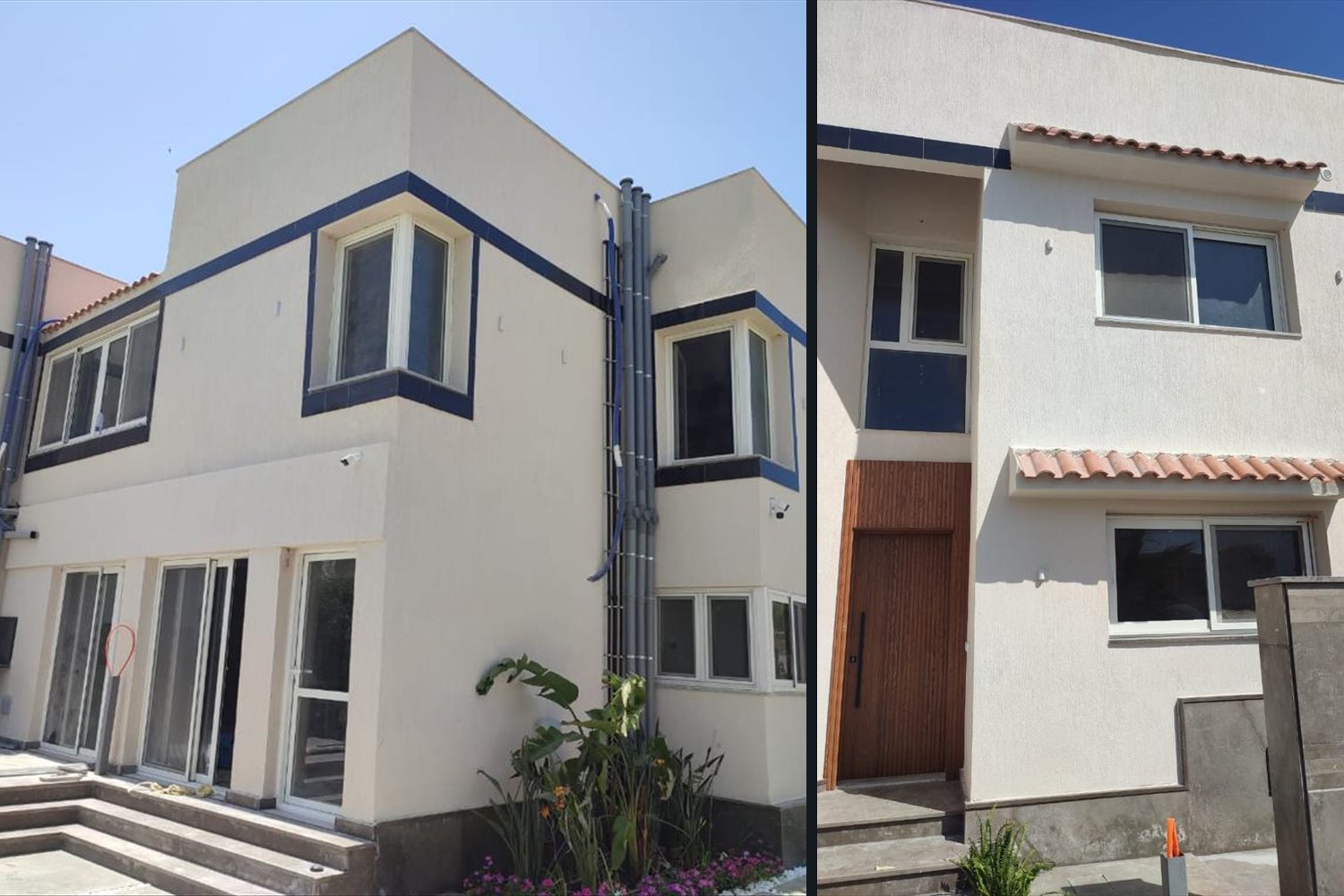
A typical well-planned villa uses sliding doors to the garden and balconies, tilt-and-turn windows in bedrooms and bathrooms, and fixed glazing where light is needed but no opening. Keeping the same system family and colour across the house gives a consistent look.
Before you decide: ask which system series is being offered (for example Alumil M14600 sliding or M15000 hinged), the glass specification, the hardware brand and the colour finish. An honest quotation lists all of these, so you can compare offers fairly.
Frequently asked questions
Are sliding windows less secure than hinged windows?
Quality sliding systems with proper locks are secure for most homes. Hinged and tilt-and-turn windows with multi-point locking offer the highest security, so they are often chosen for ground floors and exposed openings.
Which window type keeps out more dust?
Hinged and tilt-and-turn windows, because the sash presses against gaskets on all four sides. Sliding windows rely on brush seals and need their tracks cleaned regularly.
Which is better for sound insulation?
Hinged windows generally insulate better. For the quietest rooms, combine a hinged system with double glazing or laminated acoustic glass.
Can I add a rolling shutter to a sliding window?
Yes. Some sliding systems integrate a rolling shutter in the same frame, and shutters can also be added above most windows. M-Square installs both.
What is a tilt-and-turn window?
A hinged window with two opening positions: it tilts inward at the top for safe ventilation, or turns fully open like a door for cleaning and fresh air.
Further reading: Al-Sherif Ali Hassan systems · Alumil systems · Volcano systems
Need advice for your project?
Our technical office replies with honest recommendations and an itemised quotation, or visits to measure on site.